Water-efficient farming is no longer a choice—it’s a necessity. With agriculture consuming nearly 70% of the world’s freshwater, and climate change exacerbating droughts and water scarcity, the need for sustainable water management in farming has never been more urgent. To feed a growing global population while conserving natural resources, we must transition to water-smart agricultural practices that maximize productivity while minimizing waste.
This in-depth article explores the importance, techniques, benefits, and future of water-efficient farming, helping farmers, policymakers, and agripreneurs embrace a sustainable and resilient agricultural future.
Understanding Water-Efficient Farming
Water-efficient farming refers to agricultural practices and technologies that aim to optimize water usage for irrigation, crop production, and livestock management. The goal is to produce more with less water—without compromising soil health, crop yields, or food quality.
Water-efficient farming blends traditional wisdom and modern innovation to tackle three major challenges:
- Depleting groundwater levels
- Erratic rainfall patterns
- Increasing demand for food and water
Why Water Efficiency Matters in Agriculture
🌱 1. Combatting Water Scarcity
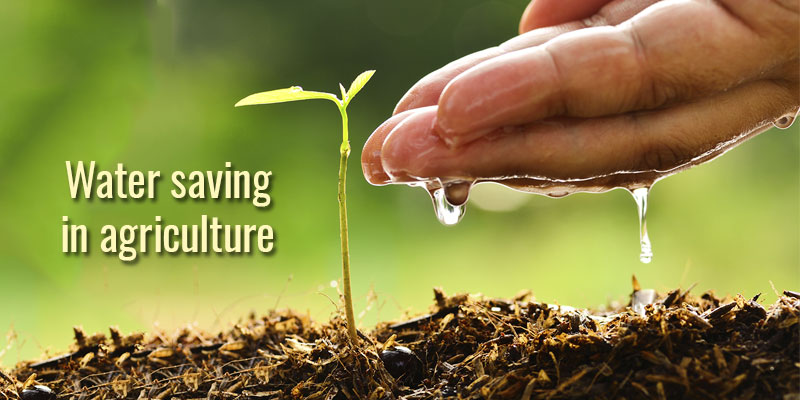
Many regions, especially in India, Sub-Saharan Africa, and the Middle East, are facing severe groundwater depletion. Efficient use of water can help maintain aquifers and surface water bodies.
🌾 2. Improving Crop Productivity
Optimized irrigation ensures uniform watering, better root development, and higher crop yields, especially in water-stressed areas.
🌍 3. Climate Resilience
Water-smart practices help farmers adapt to changing rainfall patterns, reduce crop failure risk, and build resilience.
💧 4. Cost-Effective Farming
Reducing water input means lower pumping and energy costs, saving money in the long run.
Top Water-Efficient Farming Techniques
1. Drip Irrigation
Delivers water directly to the roots through a network of valves and pipes, reducing evaporation and runoff. Ideal for vegetables, fruits, and high-value crops.
Benefits:
- Up to 60% water savings
- Reduced weed growth
- Improved crop quality
2. Sprinkler Irrigation
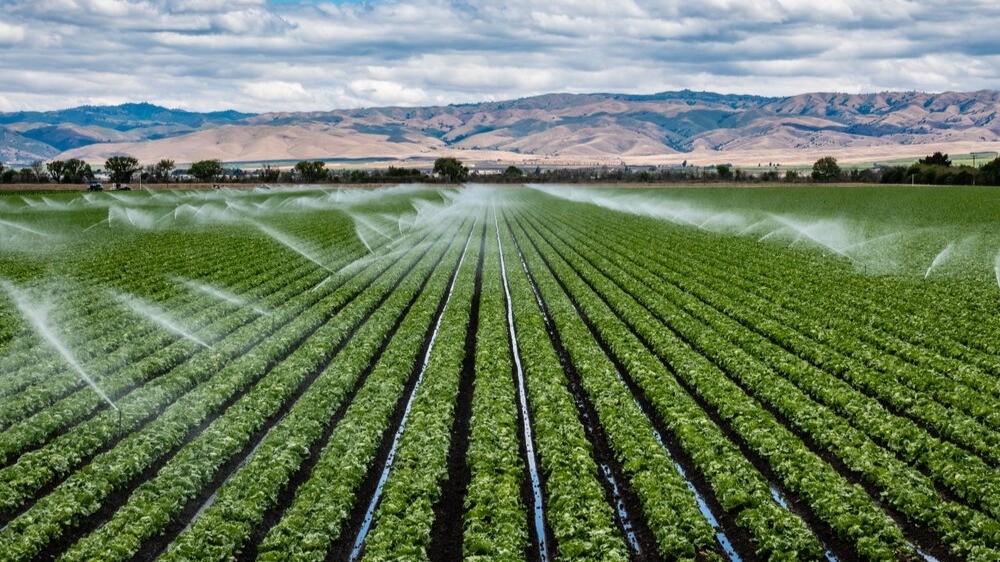
Mimics natural rainfall by spraying water over crops through rotating nozzles. Suitable for pulses, cereals, and fodder crops.
Benefits:
- Covers large areas quickly
- Reduces labor and water use
3. Mulching
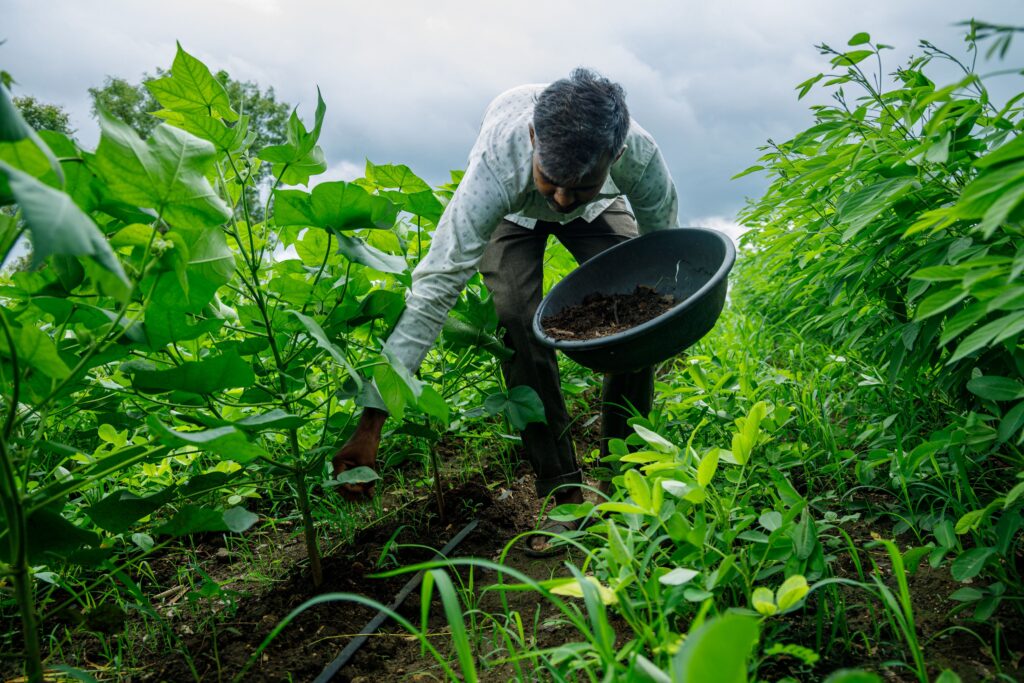
Applying organic or plastic mulch over the soil surface conserves moisture, regulates temperature, and suppresses weeds.
Benefits:
- Up to 70% reduction in evaporation
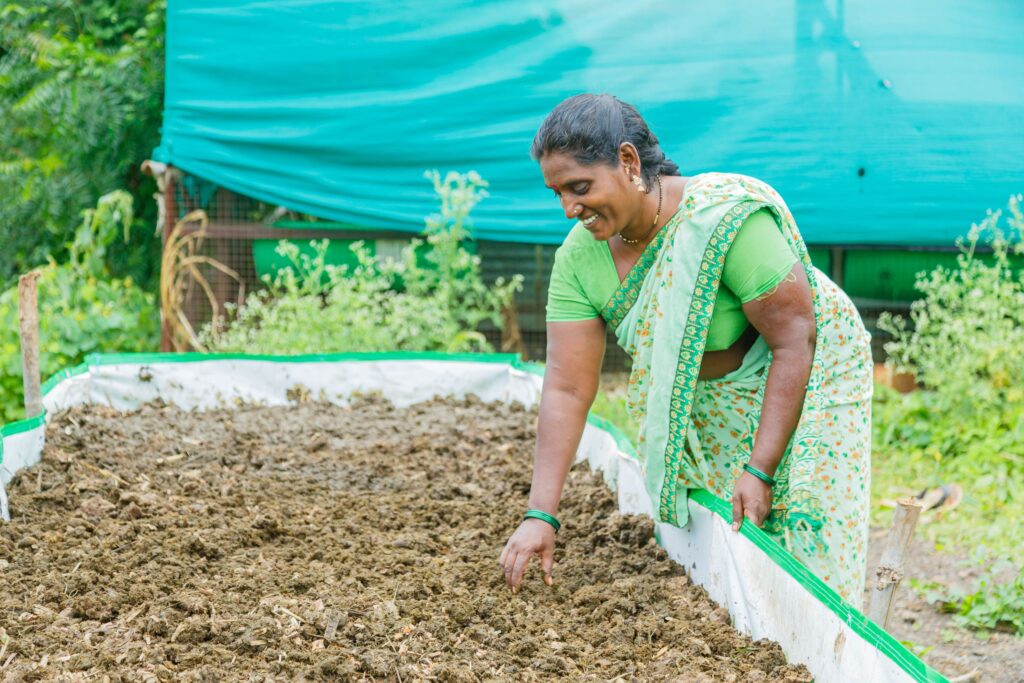
- Adds organic matter when using straw or compost
4. Raised Bed and Furrow Planting
Plants are grown on raised beds with furrows for water flow. Reduces water stagnation and promotes efficient absorption.
5. Alternate Wetting and Drying (AWD) in Rice
Instead of continuous flooding, fields are allowed to dry intermittently, saving up to 30% water without affecting yield.
6. Rainwater Harvesting
Capturing and storing rainwater for irrigation or groundwater recharge. Includes rooftop collection, farm ponds, and check dams.
7. Soil Moisture Sensors
Modern farms use IoT-based soil sensors that alert when watering is needed—preventing over or under-irrigation.
8. Laser Land Leveling
Ensures uniform field slope for even water distribution, reducing runoff and improving irrigation efficiency.
Best Crops for Water-Efficient Farming
Some crops naturally require less water and adapt well to dry conditions:
- Millets (sorghum, pearl millet, finger millet)
- Pulses (gram, lentil, pigeon pea)
- Oilseeds (mustard, sesame, groundnut)
- Drought-resistant vegetables (amaranthus, cluster beans, brinjal)
Integrating these crops can significantly reduce the farm’s water footprint while improving income.
Government Support for Water-Efficient Agriculture
🇮🇳 1. Pradhan Mantri Krishi Sinchai Yojana (PMKSY)
Promotes “More Crop Per Drop” through micro-irrigation subsidies and watershed development.
🌐 2. FAO’s Water Scarcity Initiative
Assists countries in implementing water-efficient strategies through policy, research, and technology transfer.
🌿 3. NABARD and State Schemes
Offer loans and financial support for drip irrigation systems, solar pumps, and water-saving devices.
Case Studies: Water-Smart Farming in Action
Rajasthan – Drip Irrigation Revolution
Farmers in Sikar and Jhunjhunu adopted drip systems for vegetables and pomegranates, reducing water use by 50% and tripling incomes.
Maharashtra – Rainwater Harvesting
Farm ponds constructed under government schemes helped farmers store monsoon rain, ensuring year-round irrigation and reducing crop loss.
Tamil Nadu – Rice with AWD
Tamil Nadu farmers practicing Alternate Wetting and Drying in rice cultivation saved 30% water and reduced methane emissions.
Challenges in Adoption of Water-Efficient Farming
- High initial costs of systems like drip and sprinkler irrigation
- Lack of awareness and technical training among smallholders
- Fragmented land holdings hindering infrastructure installation
- Inconsistent power supply for operating pumps and sensors
Solutions: Incentivizing adoption, promoting Farmer Producer Organizations (FPOs), and capacity building programs can accelerate widespread implementation.
Future of Water-Efficient Agriculture
The next frontier of precision agriculture will rely heavily on AI, machine learning, and satellite data to optimize water usage. Coupled with bioengineering drought-tolerant crops and smart irrigation systems, the future looks promising.
Urban farming, vertical agriculture, and aeroponics are emerging trends that drastically reduce water consumption, making farming possible even in water-scarce urban zones.