
🌱 Introduction to Agriculture
Agriculture is the backbone of civilization. It refers to the science, art, and practice of cultivating soil, growing crops, and raising animals to produce food, fiber, medicinal plants, and other products used to sustain and enhance human life. From feeding billions to sustaining economies and maintaining cultural identities, agriculture touches every aspect of our lives.
At its core, agriculture is about relationships—between humans and nature, plants and seasons, tradition and innovation. As the global population grows, understanding agriculture is more critical than ever. Let’s dive into 15 powerful insights that explain what agriculture truly is.
🌾 The Origin and History of Agriculture
Agriculture began around 10,000 years ago during the Neolithic period. Early humans transitioned from hunter-gatherers to settled farmers. This monumental shift allowed civilizations to flourish, giving rise to ancient societies like those in Mesopotamia, the Indus Valley, and Egypt.
Key developments in agricultural history:
- Domestication of plants and animals
- Invention of plows and irrigation systems
- Crop rotation and soil management techniques
Over centuries, agriculture evolved with discoveries like the mechanical reaper, chemical fertilizers, and eventually, biotechnology.
🚜 Types of Agriculture
🥣 Subsistence Farming
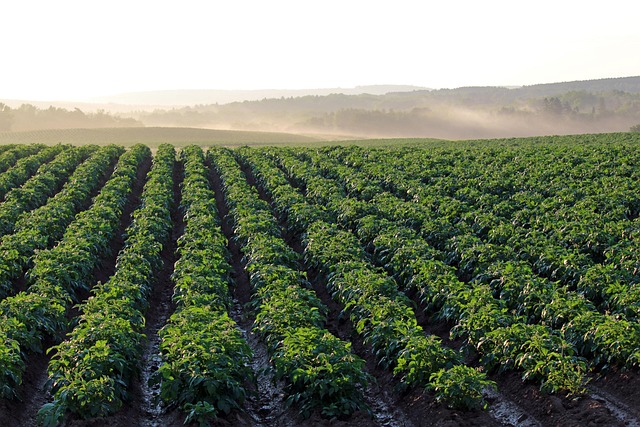
This traditional form of farming is practiced mainly in rural areas of developing countries. Farmers grow crops and rear animals primarily for family consumption, with minimal surplus for sale.
💼 Commercial Farming
In contrast, commercial farming involves large-scale crop production and livestock rearing for profit. It focuses on maximizing yield using advanced technology and infrastructure.
🌿 Organic Farming
Organic farming avoids synthetic chemicals, focusing on eco-friendly methods like composting, crop rotation, and biological pest control. It’s gaining popularity for its health and environmental benefits.
🏭 Industrial Agriculture
Also known as intensive farming, it uses machines, chemicals, and monocultures to produce large quantities of food quickly and cheaply. While efficient, it raises concerns about soil health, pollution, and biodiversity.
💰 Importance of Agriculture in the Economy
Agriculture is the primary source of livelihood for over 40% of the global population. In developing nations, it’s a key driver of GDP, employment, and trade.
Economic benefits include:
- Employment generation
- Raw materials for industries (e.g., textiles, food processing)
- Foreign exchange via exports
Agriculture also plays a role in reducing poverty and improving rural infrastructure.
🧠 Modern Techniques in Agriculture
🎯 Precision Agriculture
Using GPS, sensors, and data analytics, precision farming helps monitor soil, weather, and crop conditions in real-time, enabling farmers to make informed decisions.
🚁 Use of Drones and AI
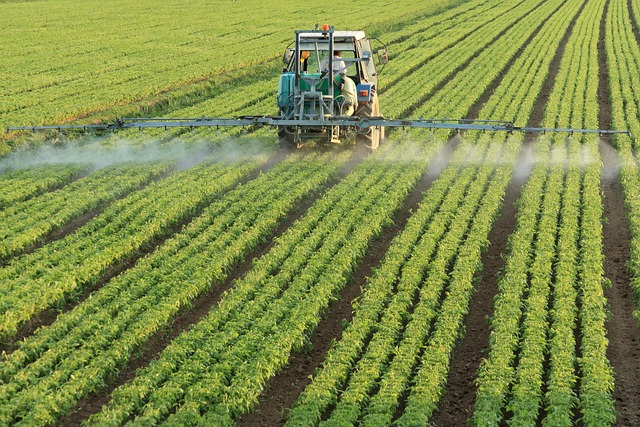
Drones are used to spray pesticides, assess crop health, and monitor large fields. Artificial Intelligence helps in predictive modeling, pest detection, and automated irrigation.
These technologies reduce waste, increase productivity, and support sustainable practices.
🌎 Sustainable Agriculture: The Future
Sustainable agriculture aims to meet present food needs without compromising future generations. It emphasizes:
- Biodiversity
- Soil conservation
- Water management
- Reduced chemical usage
Practices include permaculture, agroforestry, and integrated pest management. Sustainability ensures food security while protecting the environment.
🌤️ Role of Climate and Soil in Agriculture
Agriculture depends heavily on climate and soil type. Different crops need different temperatures, rainfall, and soil pH levels.
| Crop | Ideal Climate | Soil Type |
|---|---|---|
| Wheat | Cool, dry | Loamy |
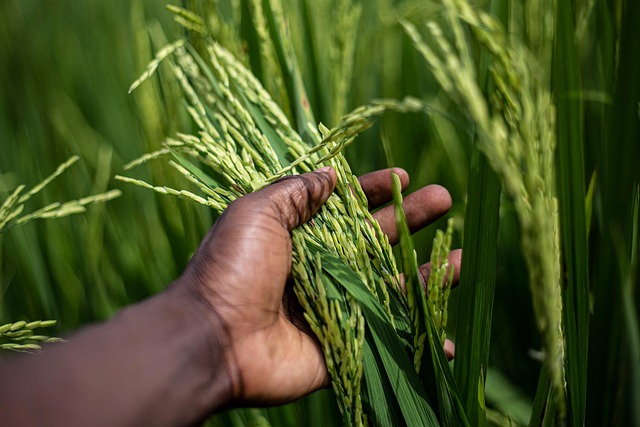
| Rice | Hot, humid | Clayey, water-retentive |
| Cotton | Warm, dry | Black soil |
| Tea | Humid, rainy | Acidic, well-drained |
Climate change is disrupting these patterns, posing major challenges for farmers worldwide.
🔧 Agricultural Tools and Machinery
From the basic plow to autonomous tractors, agricultural machinery has come a long way.
Key tools and machines:
- Seed drills
- Harvesters
- Irrigation systems
- Soil testers
- Combine harvesters
Mechanization has reduced manual labor, improved efficiency, and increased yields, especially in commercial farming.
🌾 Key Crops and Their Geographic Zones
Different regions specialize in specific crops due to climatic and soil conditions.
| Region | Major Crop |
|---|---|
| Punjab, India | Wheat, rice |
| Midwest, USA | Corn, soybeans |
| Brazil | Coffee, sugarcane |
| Vietnam | Rice, pepper |
| Australia | Barley, wheat |
Understanding agro-climatic zones helps governments and farmers make strategic decisions.
👥 Impact of Agriculture on Society
Agriculture influences every part of society:
- Culture: Harvest festivals, traditional dishes
- Health: Access to nutritious food
- Economy: Job creation and income
- Infrastructure: Roads, schools, and storage in rural areas
It supports community development and social stability.
🏛️ Agricultural Policies and Government Support
Governments play a vital role in agricultural development:
- Subsidies for fertilizers and seeds
- Crop insurance programs
- Minimum Support Price (MSP)
- Investment in irrigation and storage
Effective policies can boost productivity, reduce rural poverty, and ensure fair prices.
Read more on FAO agricultural policy framework
🧱 Challenges Faced by Modern Farmers
Modern farmers face numerous hurdles:
- Climate change and unpredictable weather
- Water scarcity
- Rising input costs
- Low market prices
- Land degradation
Solutions lie in better infrastructure, farmer education, access to technology, and fair trade practices.
🧪 Technological Innovations Shaping Agriculture
Emerging innovations include:
- Vertical farming for urban areas
- Hydroponics and aquaponics
- CRISPR gene editing for disease-resistant crops
- Blockchain for supply chain transparency
These solutions are revolutionizing how we grow and consume food.
🎓 Education and Careers in Agriculture
Agriculture isn’t just farming—it’s a high-tech industry needing skilled professionals.
Career paths:
- Agronomist
- Soil scientist
- Agricultural engineer
- Agribusiness manager
- Food technologist
Institutions offer degrees in agricultural sciences, biotechnology, and environmental studies to meet this growing demand.
🌍 Global Trade and Agricultural Export
Agriculture contributes significantly to global trade. Top exporting countries include:
- USA (corn, soybeans)
- Brazil (coffee, beef)
- India (spices, rice)
- Netherlands (flowers, dairy)
Trade policies, tariffs, and international demand influence farmers’ decisions globally.
👩🌾 Role of Women in Agriculture
Women form nearly half of the agricultural workforce in many countries. They manage small farms, grow kitchen gardens, and contribute to livestock care and post-harvest processing.
Empowering women through training, credit access, and land rights can significantly boost agricultural output.
🔮 The Future of Agriculture in a Changing World
With urbanization, climate shifts, and technological advancement, agriculture is at a turning point. The future lies in:
- Sustainable intensification
- Smart agriculture
- Climate-resilient crops
- Inclusive rural development
A balanced mix of tradition and innovation will define tomorrow’s farms.
❓ FAQs
1. What is the basic definition of agriculture?
Agriculture is the practice of cultivating crops and raising livestock for food, fiber, and other human uses.
2. What are the main types of agriculture?
Subsistence, commercial, organic, and industrial agriculture are the major types.
3. How does agriculture affect the economy?
It provides jobs, raw materials, exports, and helps reduce poverty, especially in rural areas.
4. What are the biggest threats to modern agriculture?
Climate change, land degradation, water shortages, and market instability are key challenges.
5. Is agriculture only about farming?
No. It includes everything from soil science and animal husbandry to biotechnology and food processing.
6. What is precision agriculture?
It’s a modern farming approach using data, GPS, and sensors to optimize crop production and resource use.
Try your luck at BitStarz, claim your welcome bonus of 5 BTC and 180 free spins, with top-rated VIP rewards. Use a BitStarz mirror to unblock access.
Casino mirror brings you right back to the action
Play Aviator on Android with trusted APK
Try now: Lucky Jet as your next adventure.