Introduction: Why Climate-Resilient Farming Matters
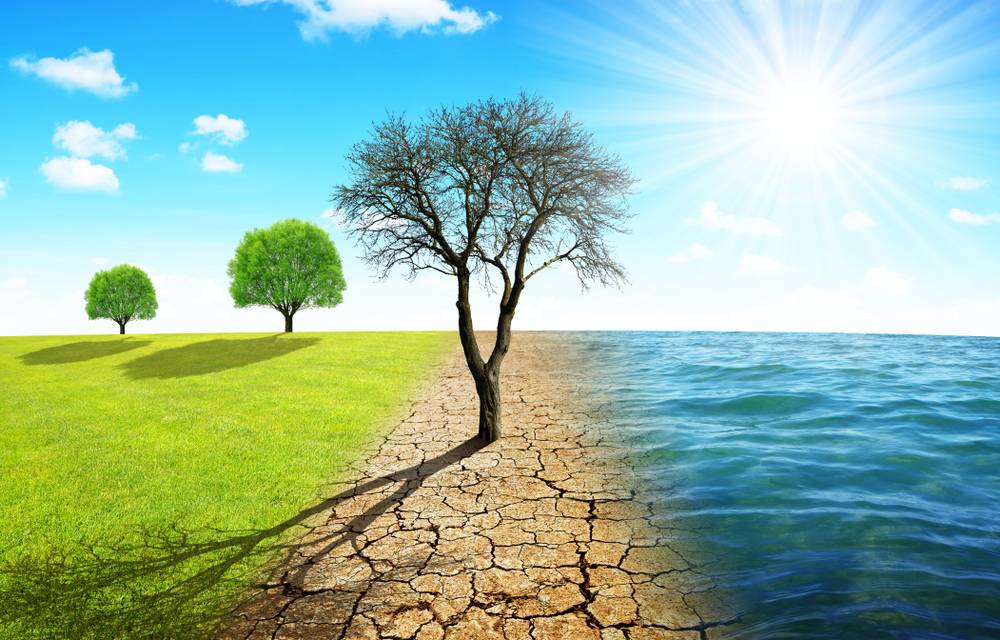
In the age of rising global temperatures, unpredictable weather, and extreme climate events, agriculture stands on the frontline of climate change. Farmers across the globe are grappling with heatwaves, droughts, floods, and pest infestations—all of which threaten food security and livelihoods. That’s where climate-resilient farming comes into play.
Climate-resilient agriculture isn’t just a strategy—it’s a lifeline for the future. It refers to farming practices that help farmers adapt to changing weather conditions, reduce environmental impact, and ensure sustainable food production.
Let’s dive into how this method works, why it’s essential, and the top 10 techniques that are already making a difference around the world.
What is Climate-Resilient Farming?
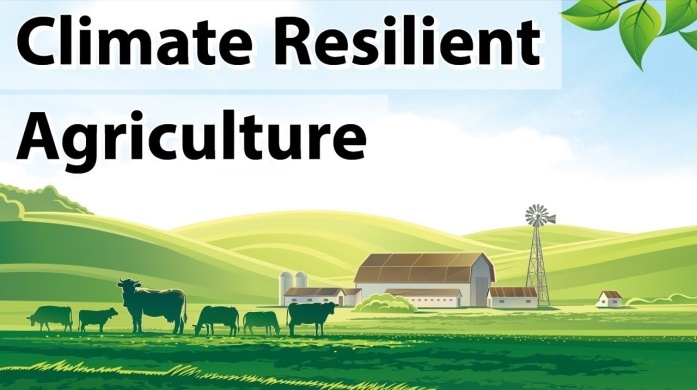
Climate-resilient farming refers to agricultural systems designed to withstand and recover from climate-related shocks while contributing to environmental sustainability. It combines traditional knowledge with modern innovations to help farmers adapt and thrive.
This approach includes:
- Reducing greenhouse gas emissions
- Increasing productivity sustainably
- Improving the resilience of ecosystems and communities
The Urgency: How Climate Change Threatens Agriculture
Rising Temperatures and Heat Stress
Hotter days are becoming more frequent, reducing crop yields and putting stress on livestock. Many crops, such as wheat and rice, are extremely sensitive to temperature increases beyond their threshold.
Erratic Rainfall and Water Scarcity
In many regions, rainfall is either too little or too much, and often at the wrong time. Droughts lead to crop failure, while floods damage fields and infrastructure.
Increased Incidence of Pests and Diseases
With changing climates, new pests and plant diseases are spreading into previously unaffected areas, reducing yields and increasing reliance on pesticides.
Principles of Climate-Resilient Agriculture
Adaptation vs. Mitigation
- Adaptation refers to adjusting practices to reduce the impact of climate risks (e.g., using drought-resistant seeds).
- Mitigation means reducing emissions from agriculture (e.g., decreasing methane from livestock or storing carbon in soil).
Agroecology and Biodiversity
Incorporating diverse plant and animal species into farms builds resilience. Biodiversity ensures ecosystem balance, natural pest control, and improved soil health.
Top 10 Climate-Resilient Farming Techniques
Here are ten proven practices farmers are using worldwide to adapt to climate change:
1. Drought-Resistant Crop Varieties
Genetically improved or locally adapted crop varieties that can grow with minimal water are crucial for dry zones. Examples include Sahbhagi Dhan (rice) in India and Drought Tego maize in Africa.
2. Integrated Water Management
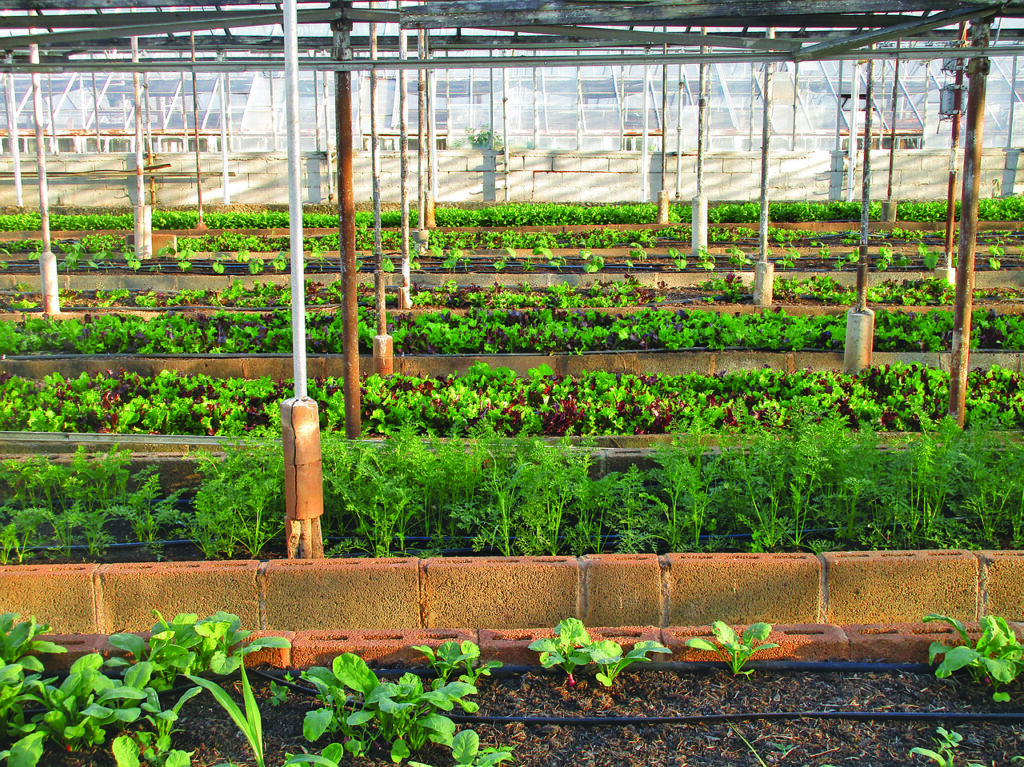
Techniques like drip irrigation, rainwater harvesting, and contour farming help optimize water use and reduce losses due to evaporation or runoff.
3. Conservation Agriculture (No-Till + Cover Crops)
No-till farming and cover cropping preserve soil structure, enhance moisture retention, and increase organic matter—all vital for climate resilience.
4. Agroforestry Systems
Combining trees with crops improves biodiversity, stabilizes the microclimate, provides shade, and enhances carbon storage. Trees also help reduce soil erosion.
5. Mixed Farming and Livestock Integration
Raising livestock alongside crops diversifies farm income and creates circular systems (e.g., manure fertilizing fields). It also balances nutrient cycling.
6. Climate-Smart Soil Management
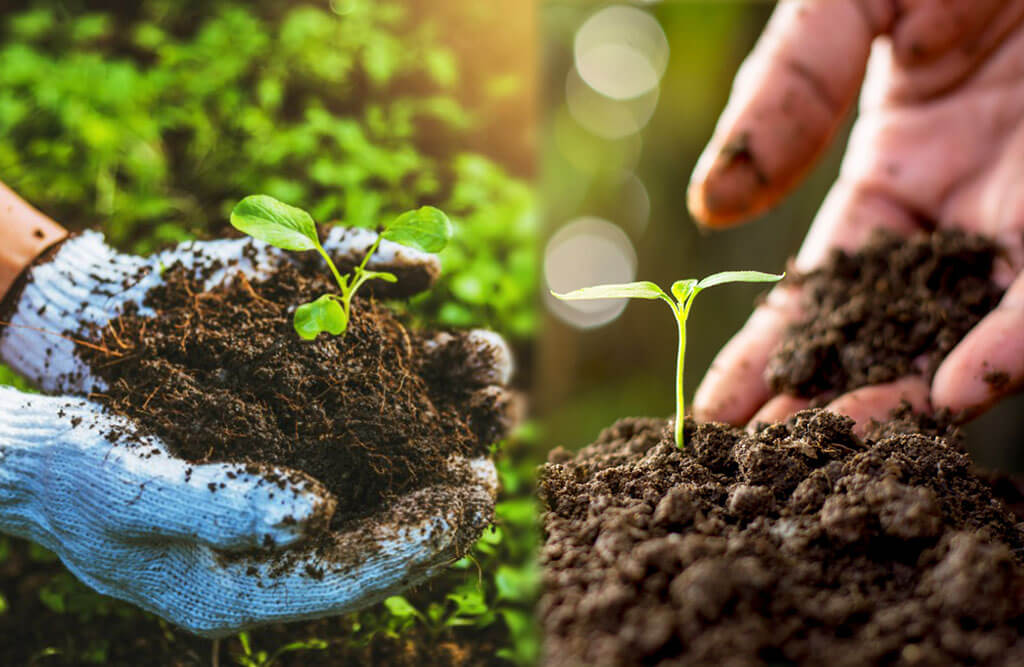
Practices like composting, adding biochar, and using organic fertilizers increase soil carbon, fertility, and microbial activity—helping soils resist erosion and drought.
7. Early Warning Systems & Weather Forecasting
Mobile alerts and localized weather forecasts help farmers plan planting, harvesting, and irrigation—minimizing losses due to surprise weather events.
8. Crop Diversification
Growing a variety of crops reduces risk. If one crop fails due to climate stress, others may still yield income, ensuring food and financial security.
9. Mulching and Organic Matter
Applying crop residues, leaves, or compost as mulch retains soil moisture, reduces temperature stress on roots, and suppresses weeds.
10. Use of Renewable Energy in Agriculture
Solar-powered irrigation systems, wind turbines, and biogas digesters help reduce dependence on fossil fuels and lower carbon emissions on the farm.
Case Studies from Climate-Resilient Farms
India’s Climate Smart Villages
The Climate Smart Villages initiative by the International Crops Research Institute for the Semi-Arid Tropics (ICRISAT) promotes integrated farming systems, efficient irrigation, and weather forecasting. Results show increased crop yields and resilience to dry spells.
Regenerative Projects in Africa
Organizations like Regeneration International have supported farmers in Kenya and Ghana by introducing agroecology, rotational grazing, and composting. These farms now show better productivity even under harsh weather conditions.
U.S. Conservation Farming Examples
In the U.S., no-till farming, cover crops, and regenerative ranching are gaining traction, especially in states like Iowa and North Dakota. These practices are helping farmers rebuild soil fertility and reduce runoff into rivers.
How Technology Supports Resilient Agriculture
Remote Sensing & GIS Mapping
Satellites and drones help farmers monitor soil moisture, plant health, and pest outbreaks in real-time—enabling faster decision-making and risk reduction.
Smart Irrigation Systems
Automated irrigation systems using moisture sensors and AI can optimize water usage and reduce energy costs, especially in arid regions.
Policy Support and Global Programs
FAO and UN Climate-Smart Agriculture Initiatives
The Food and Agriculture Organization (FAO) promotes climate-smart agriculture (CSA) that integrates food security, adaptation, and mitigation through its global framework.
Government Incentives and Schemes
Governments in countries like India, Brazil, and Kenya offer subsidies, insurance, and training for climate-resilient practices through agro-environmental programs.
Challenges in Scaling Climate-Resilient Farming
Farmer Education and Access
Not all farmers have access to information or technical training needed to adopt new practices. Language, literacy, and digital access remain major barriers.
Financial and Institutional Barriers
Initial costs of switching to climate-smart inputs or systems can be high. Lack of crop insurance and market support further discourages risk-taking.
FAQs on Climate-Resilient Farming
1. Is climate-resilient farming the same as sustainable farming?
They overlap but aren’t the same. Climate-resilient farming focuses on adapting to and mitigating climate change, while sustainable farming covers broader environmental and social goals.
2. Do these techniques work for small-scale farmers?
Yes. Many techniques like mulching, crop diversification, and water harvesting are low-cost and highly suitable for smallholders.
3. Is climate-resilient farming expensive to start?
Some methods require investment, but many (like crop rotation or composting) are affordable. Long-term savings and higher productivity often offset the initial cost.
4. Can climate-resilient farming increase yield?
Absolutely. Healthy soils, efficient water use, and diverse crops often lead to better yields over time, especially during extreme weather.
5. What crops are best for climate-resilient systems?
Crops like sorghum, millet, pigeon pea, cassava, and legumes are more tolerant to heat and drought, making them ideal choices.
6. Where can farmers learn more or get help?
Many NGOs, local agricultural departments, and international programs offer training. Platforms like FAO’s climate-smart agriculture portal are great starting points.
Conclusion: Building a Sustainable Agricultural Future
As climate change continues to disrupt farming systems worldwide, adopting climate-resilient techniques isn’t optional—it’s essential. These practices offer a path forward that is not only productive but also protective of our planet and communities.
By empowering farmers with the tools, knowledge, and support they need, we can create an agricultural future that is sustainable, secure, and resilient for generations to come.