Agriculture has evolved far beyond its traditional definition of farming and cultivation. In the 21st century, agriculture’s scope encompasses a dynamic, multidimensional ecosystem involving food production, agribusiness, biotechnology, environmental sustainability, and rural development. As the global population continues to rise, the importance and potential of agriculture will only grow more crucial. This article explores the comprehensive scope of agriculture, highlighting how it impacts economies, innovation, and the future of human survival.
What is the Scope of Agriculture?
The scope of agriculture refers to the range of activities, innovations, and sectors involved in the practice and study of agriculture. It includes everything from traditional farming and livestock management to modern biotechnology, agro-industries, sustainable farming, and agricultural marketing. It is not merely about growing crops or rearing animals; agriculture today stands at the crossroads of science, technology, economics, and environmental stewardship.
1. Crop Production and Horticulture
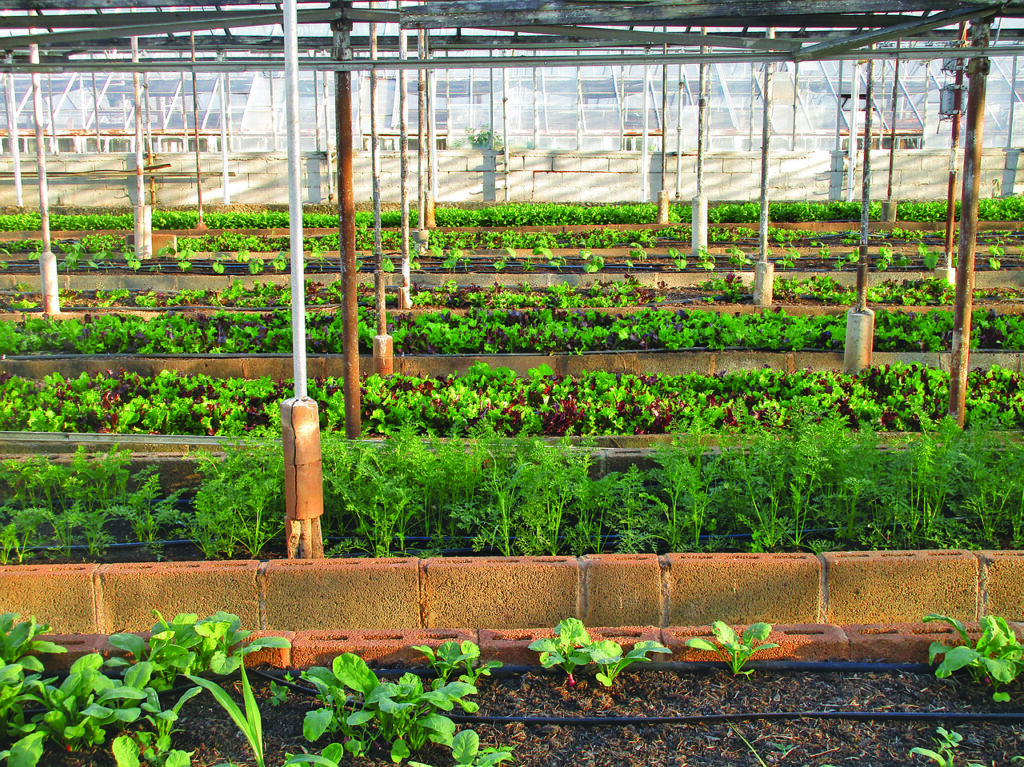
One of the most fundamental aspects of agriculture is crop production. This includes the cultivation of grains, fruits, vegetables, pulses, and oilseeds.
- Food Security: The demand for food is increasing at an exponential rate due to rising global population. Crop production ensures a steady supply of food.
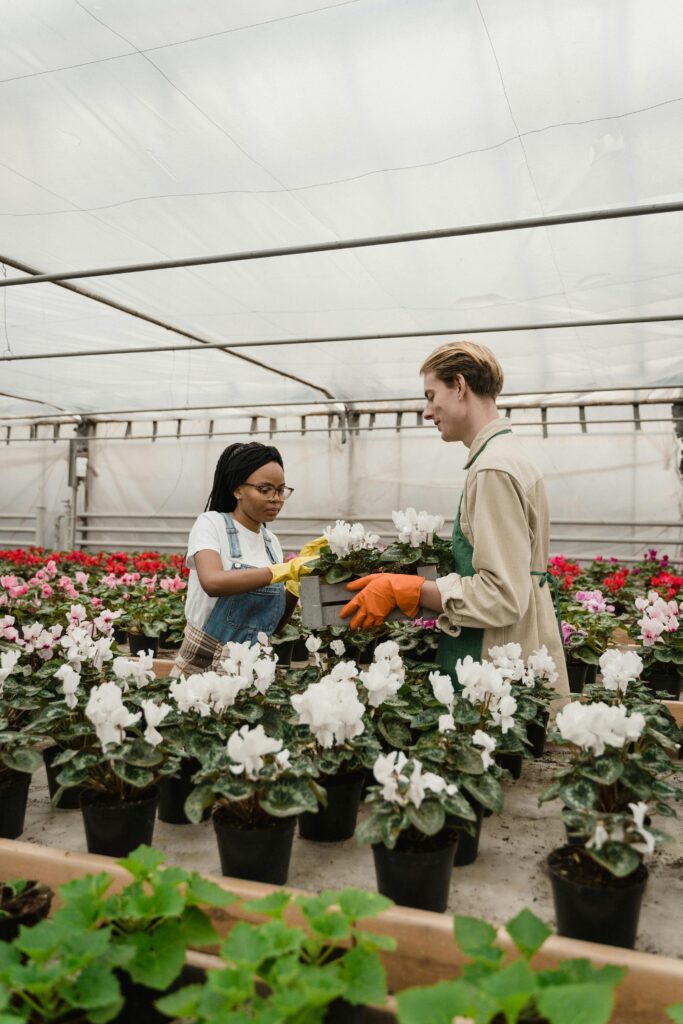
- Horticulture Revolution: With increased interest in high-value crops, horticulture has expanded the commercial scope of agriculture. Fruits, vegetables, and ornamental plants contribute significantly to agricultural GDP in countries like India, Brazil, and the USA.
2. Animal Husbandry and Dairy Industry
Livestock farming is another crucial pillar within the scope of agriculture. It includes rearing of cattle, sheep, goats, poultry, and aquaculture.
- Meat and Milk Production: Dairy and poultry farming are booming sectors contributing to nutritional security and rural employment.
- Byproducts Industry: Leather, wool, and organic manure from animal waste also broaden the economic dimension of agriculture.
3. Agricultural Biotechnology and Research
Modern biotechnology in agriculture has revolutionized how we approach food production.
- Genetically Modified Crops (GMOs): These are designed for better yield, resistance to pests, and adaptability to climate change.
- CRISPR & Gene Editing: Cutting-edge technologies are opening doors for disease-resistant crops and precision farming.
- Agricultural Research Institutes: Global institutions like ICAR, CGIAR, and IRRI are leading breakthroughs that enhance productivity and sustainability.
4. Agri-Business and Agripreneurship
Agriculture is not just a subsistence activity anymore—it is a booming business opportunity.
- Startups in Agriculture: Agri-tech startups using AI, drones, blockchain, and big data are transforming traditional agriculture.
- Farm-to-Fork Supply Chains: Innovations in logistics, cold storage, and e-commerce have created vast new revenue channels.
- Export Opportunities: Agricultural exports offer massive income potential, especially in spices, tea, coffee, cereals, and organic produce.
5. Sustainable Agriculture and Environmental Impact
Sustainability is a key focus of modern agricultural practices, ensuring that we meet today’s needs without compromising the future.
- Organic Farming: Increasing demand for chemical-free food has expanded the organic agriculture market globally.
- Agroforestry and Conservation Agriculture: These techniques reduce soil erosion, improve biodiversity, and act as carbon sinks.
- Water Management: Drip irrigation, rainwater harvesting, and watershed management techniques are being adopted to combat climate stress.
6. Agricultural Education and Career Opportunities
The educational scope of agriculture is broad, with numerous specialized disciplines.
- Agronomy, Soil Science, Horticulture, and Entomology are just a few key academic branches.
- Career Opportunities: There’s growing demand for professionals in agricultural extension, agri-finance, farm management, and agri-marketing.
- Global Recognition: Agriculture graduates are finding placements not just in government and NGOs but also with international development agencies and agri-tech companies.
7. Government Policies and Support Systems
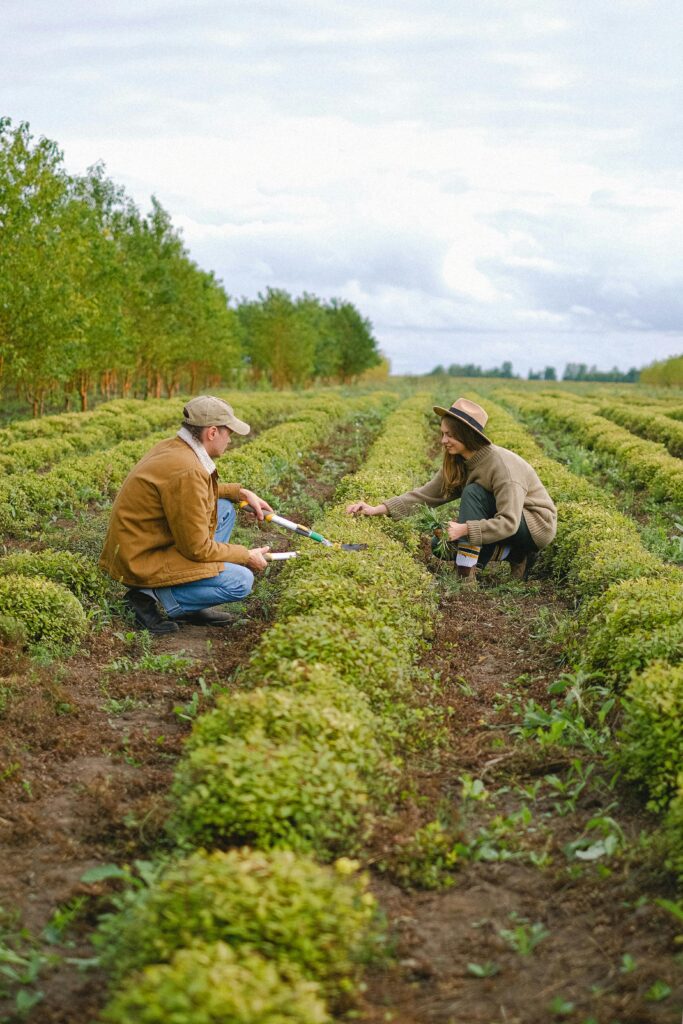
Government policies significantly shape the agricultural landscape.
- Subsidies and MSP (Minimum Support Price): These ensure price stability and income for farmers.
- Agri-Credit and Insurance: Schemes like PM-KISAN, KCC (Kisan Credit Card), and PMFBY (Crop Insurance) help mitigate risks and increase financial inclusion.
- Infrastructure Development: Programs aimed at improving rural infrastructure, warehouses, irrigation systems, and cold chains greatly widen agriculture’s potential.
8. Global Trade and the Role of Agriculture in GDP
Agriculture plays a crucial role in both developed and developing economies.
- Export Contribution: Many countries rely on agriculture for foreign exchange earnings.
- Employment: In many developing countries, over 50% of the workforce is directly or indirectly employed in agriculture.
- GDP Contribution: Though declining in percentage terms with industrial growth, agriculture remains a foundational sector for national economies.
9. Future Scope of Agriculture
The future of agriculture is bright, diversified, and tech-driven.
- Vertical and Urban Farming: Growing crops in vertically stacked layers in urban spaces is gaining momentum.
- Climate-Resilient Crops: Focus is shifting to crops that can withstand floods, droughts, and changing temperatures.
- Automation and Robotics: Tractors, drones, and AI-driven sensors are transforming precision agriculture.
- Agri-Tourism: A new segment allowing farmers to diversify income by showcasing rural lifestyles and eco-friendly farming.
Conclusion: Agriculture as the Backbone of Civilization
The scope of agriculture is immense and ever-evolving. From ensuring food security and creating livelihoods to promoting innovation and sustainability, agriculture is the lifeblood of nations. As we march into a future shaped by climate uncertainties and technological revolutions, agriculture remains not just a profession but a mission for global wellbeing.