Millets Farming in India: Sowing Seeds for a Sustainable Future Beyond the International Year of Millets
The International Year of Millets (IYM 2023) declared by the United Nations brought global attention to the ancient and climate-resilient grain group known as millets. In India, the world’s largest producer of millets, this marked the beginning of a transformative shift toward nutritional security, sustainable agriculture, and farmer empowerment. As we move beyond 2023, the momentum around millets farming in India continues to grow in 2025, with policy backing, export potential, and health awareness driving an agricultural revival.
This article explores the current scenario, challenges, government initiatives, and future scope of millets cultivation in India, setting the stage for a millet revolution that’s here to stay.
What are Millets? Why Are They Important Today?
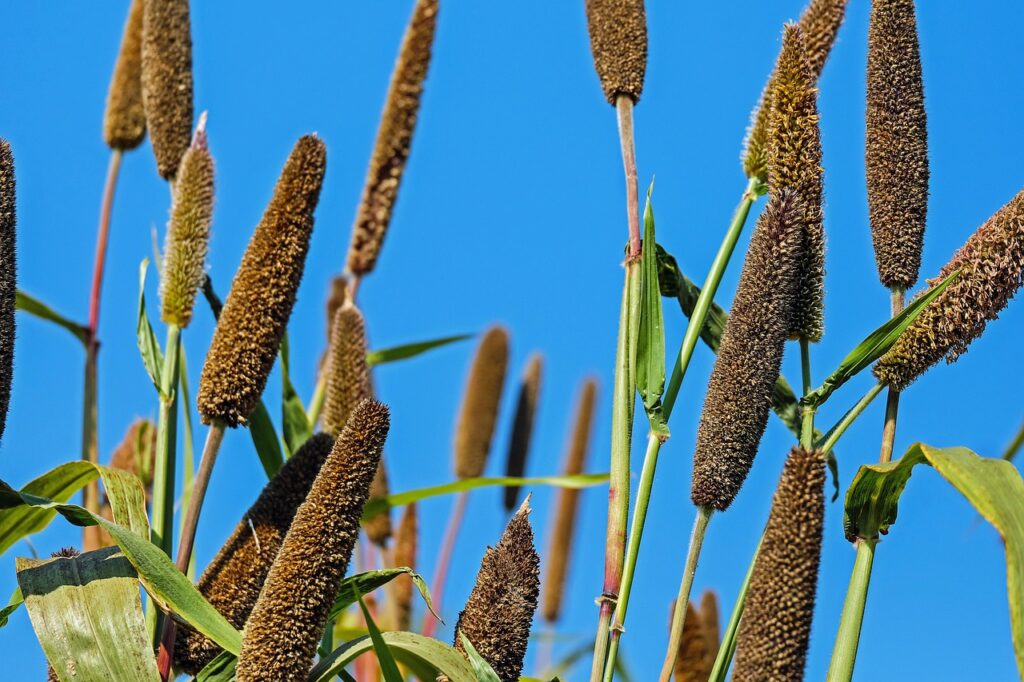
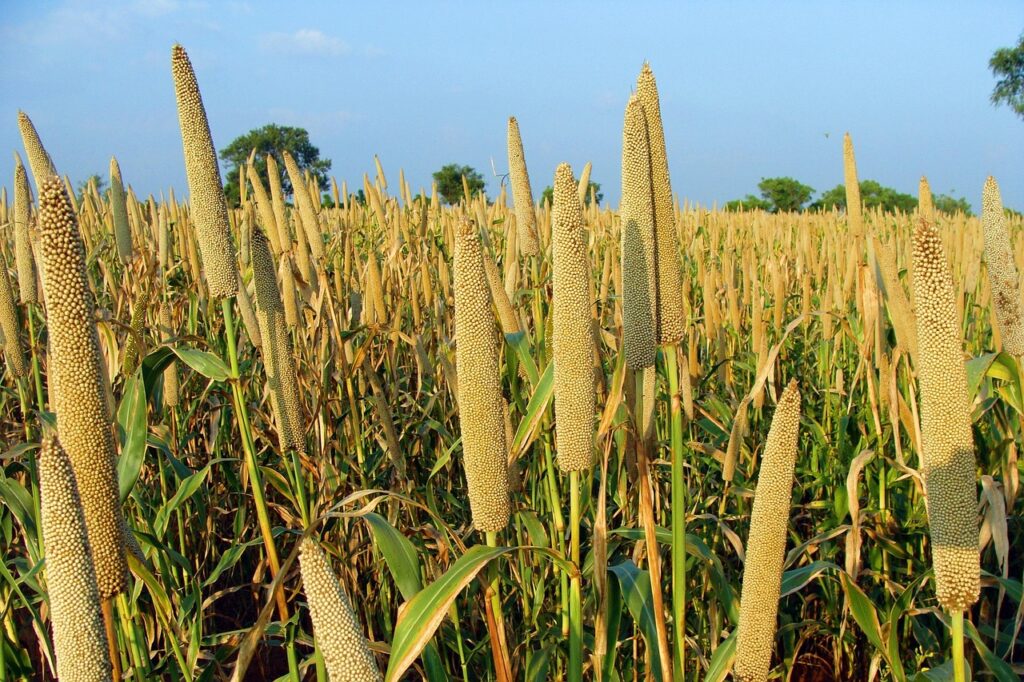
Millets are a group of small-seeded grasses that include jowar (sorghum), bajra (pearl millet), ragi (finger millet), foxtail, barnyard, kodo, proso, and little millet. Grown traditionally in arid and semi-arid regions, millets are:
- Highly nutritious – rich in protein, iron, calcium, and antioxidants
- Drought-resistant and require minimal water
- Grown without synthetic fertilizers or pesticides
- Adaptable to poor soil fertility
- Beneficial for people with gluten intolerance or diabetes
Their low carbon footprint and resilience to climate extremes make millets a climate-smart crop critical for India’s food and nutritional security.
Millets in India: A Heritage Crop Making a Comeback
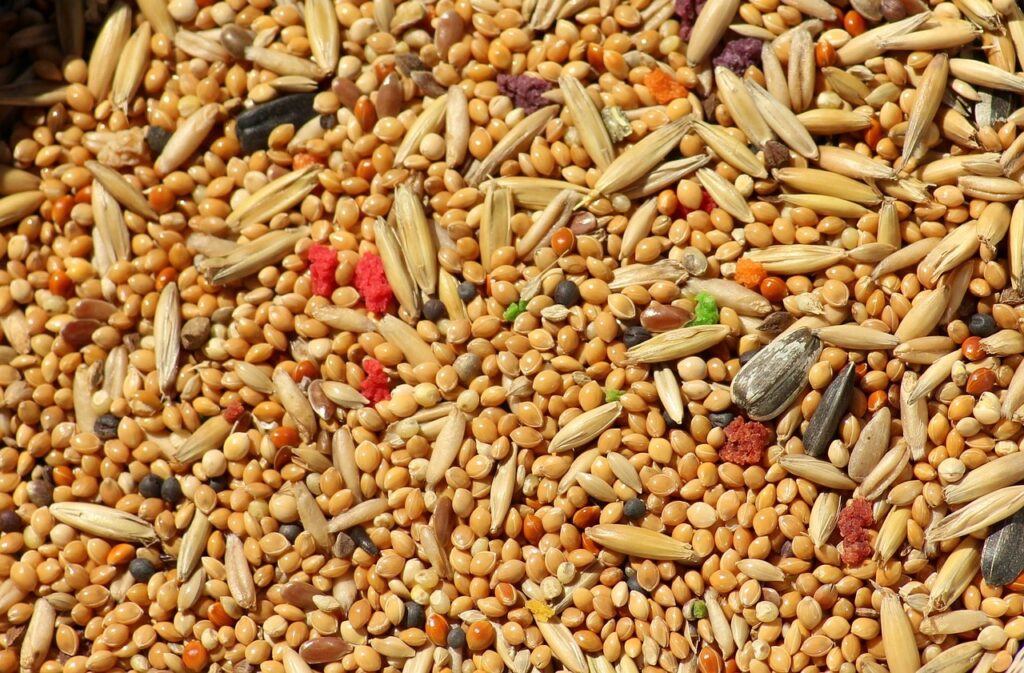
India accounts for nearly 20% of global millet production. Traditionally a staple in states like Rajasthan, Karnataka, Maharashtra, Telangana, Madhya Pradesh, Tamil Nadu, and Odisha, millets suffered a decline post-Green Revolution due to the focus on rice and wheat.
However, the IYM 2023 re-energized millet farming. In 2025, the country is witnessing:
- Increased acreage under millet cultivation
- Inclusion in mid-day meals and public distribution systems
- Policy-level subsidies and MSP coverage
- Higher export demand for processed millet-based foods
Benefits of Millets Farming in India
1. Climate Resilience
Millets grow in low-rainfall, high-temperature regions where other crops fail. With rising climate uncertainty, farmers are turning back to millets for crop stability.
2. Soil Health and Sustainability
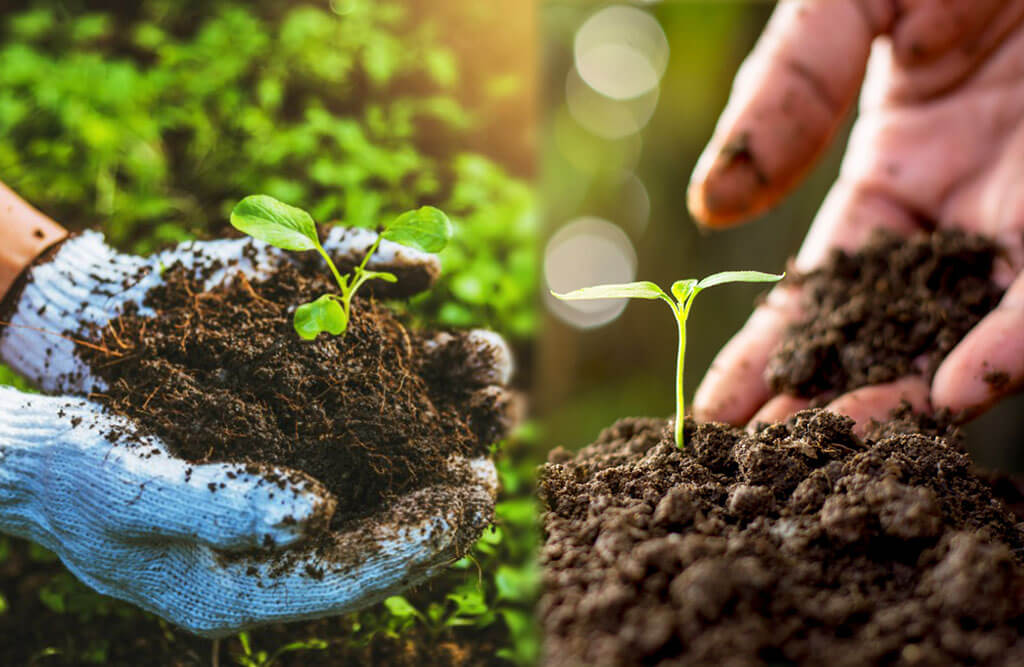
Millets are low-input crops that enhance soil biodiversity, require minimal fertilizers, and preserve groundwater.
3. Nutritional Powerhouse
Millets are called “nutri-cereals” due to their high micronutrient content—particularly iron, calcium, magnesium, and dietary fiber—which help fight malnutrition and lifestyle diseases.
4. Economic Opportunities
The rising market demand for millet products—ranging from flour and flakes to snacks and health mixes—has opened up processing, packaging, and export avenues.
Top Millets Grown in India (2025)
| Millet | Key States | Nutritional Value |
|---|---|---|
| Jowar | Maharashtra, Karnataka, Telangana | Rich in protein and fiber |
| Bajra | Rajasthan, Gujarat, UP, Haryana | High in iron and energy |
| Ragi | Karnataka, Tamil Nadu, Uttarakhand | Excellent calcium source |
| Foxtail Millet | Andhra Pradesh, Tamil Nadu | Low glycemic index, good for diabetics |
| Kodo Millet | MP, Chhattisgarh, Tamil Nadu | High in antioxidants |
| Little Millet | Jharkhand, Odisha, Chhattisgarh | Rich in iron and zinc |
Government Initiatives to Promote Millets Farming
1. National Millet Mission (NFSM–Nutri-Cereals)
Launched by the Government of India, this scheme provides financial assistance for seeds, machinery, training, and value chain development.
2. Minimum Support Price (MSP) for Millets
Millets are now included in the MSP regime, assuring farmers better returns.
3. Inclusion in Public Schemes
- Mid-Day Meal Scheme (MDM) and ICDS now include millets to combat child malnutrition.
- Poshan Abhiyan emphasizes millet-based nutrition.
4. Millet Startups and FPOs
Incentives are being given to agri-entrepreneurs, FPOs, and millet processing startups to drive rural employment and food innovation.
Export and Market Growth of Indian Millets
India’s millet exports have seen a remarkable surge post-IYM 2023. Major export destinations include:
- USA, UAE, Australia, Japan, and European nations
- Export products include millet grains, flakes, noodles, biscuits, and ready-to-eat mixes
The APEDA (Agricultural and Processed Food Products Export Development Authority) actively promotes millet exports through:
- Branding support
- Global millet summits
- Trade fairs and buyer-seller meets
Millet Processing and Value Addition: A Sunrise Sector
In 2025, millet processing has become a lucrative industry. From flour mills and puffed snacks to millet pasta, cakes, and energy bars, innovation is booming.
Value-added millet products enjoy:
- Longer shelf life
- Higher profitability
- Wider consumer acceptance
Startups and cooperatives are also creating millet-based beverages, ready-to-cook mixes, and gluten-free bakery items targeting urban health-conscious consumers.
Challenges Facing Millets Farming in India
Despite the momentum, certain roadblocks persist:
- Low awareness among farmers about modern cultivation and market trends
- Lack of assured procurement in remote areas
- Inadequate processing infrastructure
- Price volatility for minor millets
- Consumer preference bias toward rice and wheat
Addressing these requires continuous extension services, price assurance, and awareness campaigns.
Future Outlook: The Millet Revolution is Just Beginning
India’s mission is to make millets mainstream, transforming them from “coarse grains” to climate-smart superfoods. Key strategies moving forward include:
- Mandatory millet inclusion in PDS and government meal programs
- Millet-based startups and digital platforms for direct farmer-to-consumer links
- Research and development for high-yield, pest-resistant millet varieties
- International branding of Indian millets as premium wellness foods
By 2030, millets could play a major role in achieving SDGs (especially Zero Hunger, Good Health, and Climate Action).